
Industrial operations depend on durable equipment, precise fabrication, and reliable machinery to maintain productivity. From manufacturing facilities to heavy industrial environments, properly fabricated metal components are critical to equipment performance, structural integrity, and operational efficiency. For businesses seeking welding fabrication in Rockford, choosing an experienced industrial service provider helps ensure machinery and fabricated components meet demanding performance requirements.
At Midwest Millwright Services Inc., we understand that the heart of your industrial operations lies in the efficiency of your machinery. As seasoned millwrights, we are dedicated to ensuring that your equipment operates at its peak performance, minimizing downtime, and maximizing productivity. Our industrial expertise aligns with the need for dependable welding, fabrication, and equipment support that keeps production systems operating efficiently.
What Is Industrial Welding Fabrication?
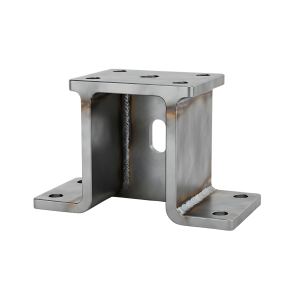 Industrial welding fabrication combines metalworking, cutting, forming, fitting, and welding processes to produce or repair metal components used in industrial applications. These components may include equipment frames, machine supports, brackets, structural assemblies, guards, platforms, and custom-fabricated parts.
Unlike general-purpose metalworking, industrial welding fabrication often requires a detailed understanding of equipment specifications, material properties, operating conditions, and mechanical requirements. Fabricated components must be designed and assembled to withstand the loads, vibration, temperatures, and environmental conditions associated with their intended applications.
For manufacturers and industrial facilities in Rockford, professional welding fabrication can support equipment installation, machinery modifications, component replacement, and ongoing maintenance requirements.
Why Welding Fabrication Matters for Industrial Operations
Reliable welding and fabrication are essential to maintaining safe, efficient, and productive industrial environments. Poorly fabricated components can contribute to premature wear, equipment misalignment, structural problems, and unplanned production interruptions.
Working with a qualified industrial service provider offers several important advantages.
- Improved Equipment Reliability
Industrial machinery operates under demanding conditions. Fabricated components must withstand repeated mechanical stress, vibration, and continuous operation without compromising their structural integrity.
Proper material selection, accurate fit-up, and appropriate welding procedures help produce components suited to their intended service conditions. Reliable fabrication also supports the long-term performance of machinery and associated equipment.
- Reduced Equipment Downtime
Unexpected equipment failures can interrupt production schedules, increase maintenance costs, and reduce overall output. Custom welding and fabrication services can help address damaged components, reinforce equipment structures, and support necessary machinery modifications.
When fabrication is coordinated with millwright services, businesses can benefit from a more integrated approach to equipment repair and maintenance. Identifying mechanical issues and addressing related fabrication requirements together may help streamline repairs and reduce unnecessary delays.
- Custom Solutions for Specialized Equipment
Standard replacement parts are not always available or suitable for every industrial application. Custom welding fabrication allows businesses to develop components that match specific equipment dimensions, installation requirements, and operational needs.
Depending on the application and available capabilities, custom fabrication may support machinery modifications, equipment supports, mounting assemblies, protective structures, and replacement components.
These tailored solutions can help industrial facilities maintain older equipment, accommodate production changes, and address unique mechanical challenges.
- Better Structural Integrity and Safety
Industrial components must be fabricated according to appropriate engineering requirements and applicable safety standards. Factors such as base material, joint configuration, weld quality, load capacity, and inspection requirements all influence the reliability of a finished assembly.
Using suitable welding procedures and quality-control practices helps ensure that fabricated components perform as intended. Critical structural or load-bearing applications may also require engineering review, qualified welding procedures, and documented inspections.
Common Applications of Welding Fabrication in Rockford
Rockford’s industrial businesses rely on machinery, production systems, and material-handling equipment that require dependable metal components. Welding fabrication can support a variety of industrial applications, depending on project requirements and service capabilities.
Industrial Machinery Repairs
Damaged or worn metal components can affect machine performance and production reliability. Welding and fabrication may be used to repair eligible components, reinforce equipment structures, or produce replacement parts when repair is technically appropriate.
A careful assessment is important to determine whether a component can be safely repaired or should be replaced.
Equipment Supports and Mounting Structures
Machinery requires stable foundations, mounting assemblies, and support structures to operate correctly. Fabricated supports and brackets can help accommodate equipment dimensions, installation layouts, and load requirements.
Accurate measurements and proper alignment are particularly important when fabricated structures interface with rotating machinery or other precision equipment.
Material-Handling Systems
Conveyors, transfer systems, and related material-handling equipment often depend on fabricated frames, guards, brackets, and mounting components. Welding fabrication can help support repairs, equipment modifications, and replacement of damaged metal assemblies.
Maintaining these components helps reduce the risk of mechanical interruptions that can affect production flow.
Custom Metal Components
Industrial facilities frequently need components that are not readily available through standard suppliers. Custom fabrication can provide application-specific solutions based on equipment drawings, measurements, material specifications, and operating requirements.
When combined with millwright expertise, custom metal fabrication can help address both the physical component requirements and the mechanical considerations of the overall system.
The Role of Millwright Services in Welding Fabrication
Welding fabrication and millwright services often complement one another in industrial environments. While welding and fabrication focus on producing, modifying, and repairing metal components, millwright work involves installing, aligning, maintaining, and repairing industrial machinery and mechanical systems.
Coordinating these services can be particularly valuable when fabrication work affects equipment positioning, mechanical clearances, shaft alignment, or the stability of machine supports.
For example, replacing a damaged machine base or modifying a mounting structure may require more than welding alone. The work may also involve equipment removal, dimensional verification, installation, leveling, and alignment to help restore proper operation.
Midwest Millwright Services Inc. understands the importance of machinery performance to industrial productivity. By emphasizing equipment reliability, maintenance, and minimizing downtime, the company brings an operations-focused perspective to industrial service needs.
For businesses evaluating welding fabrication in Rockford, considering how fabrication integrates with installation and mechanical maintenance can help produce a more effective long-term solution.
What to Consider When Choosing a Welding Fabrication Provider
Selecting a provider for industrial welding and fabrication requires more than comparing prices or turnaround times. The quality of the finished work can directly affect equipment reliability, workplace safety, and maintenance requirements.
Consider the following factors when evaluating a service provider.
Industrial experience: Look for experience with machinery, industrial components, and the operating conditions relevant to your facility.
Material knowledge: Different metals and alloys require appropriate welding processes, filler materials, and preparation methods. Material compatibility is essential to achieving suitable joint strength and service performance.
Dimensional accuracy: Fabricated components must meet the necessary measurements and tolerances, particularly when they interface with precision machinery or existing equipment.
Quality assurance: Ask about applicable welding procedures, welder qualifications, inspection methods, and documentation requirements for your specific project.
Equipment integration: Consider whether the project requires additional services such as machinery installation, alignment, maintenance, or mechanical troubleshooting.
Downtime management: Discuss project scheduling, equipment access, lead times, and coordination with production personnel to minimize disruption wherever possible.
The right provider should understand the technical requirements of the job and the broader operational priorities of your facility.
How Quality Fabrication Supports Long-Term Productivity
Industrial productivity depends on more than the performance of individual machines. Equipment reliability is influenced by the quality of its components, the accuracy of its installation, the effectiveness of preventive maintenance, and the speed with which problems are addressed.
Well-planned welding fabrication can support these objectives by providing durable replacement parts, application-specific modifications, and structural components suited to industrial operating conditions.
When fabrication is incorporated into a broader maintenance strategy, businesses can also identify recurring equipment problems and evaluate opportunities to improve component design, accessibility, or serviceability.
This approach supports a shift from reactive repairs toward more proactive equipment management. Rather than addressing every failure as an isolated event, industrial teams can assess the underlying causes and determine whether component redesign, reinforcement, replacement, or improved maintenance practices would provide a better long-term outcome.
For manufacturers and industrial facilities throughout Rockford, this focus on reliability can help protect equipment investments and support consistent production.
Partner With Midwest Millwright Services Inc. for Industrial Support
Finding the right solution for industrial welding fabrication in Rockford starts with understanding your equipment, operating environment, and production requirements. Whether a project involves a custom metal component, a machinery modification, or a repair that requires coordinated mechanical work, technical planning is essential to achieving a dependable result.
Midwest Millwright Services Inc. is committed to helping industrial operations maintain efficient, reliable machinery. With a focus on equipment performance, reduced downtime, and increased productivity, the company understands the importance of addressing industrial maintenance needs with care and precision.
If your facility requires welding fabrication or related industrial machinery support in the Rockford area, contact Midwest Millwright Services Inc. to discuss your project requirements and determine the appropriate next steps.
Keep your equipment operating efficiently with industrial solutions focused on reliability, performance, and productivity.
