Industrial machinery is essential to maintaining productivity, operational efficiency, and consistent product quality. Over time, however, continuous operation, mechanical wear, vibration, and component fatigue can reduce equipment performance and increase the risk of unexpected downtime. For manufacturers and industrial facilities, investing in machine rebuilds in Rockford, IL, can be a cost-effective way to restore equipment functionality, extend service life, and maintain reliable production.
At Midwest Millwright Services Inc., we know the heart of your industrial operations is the efficiency of your machinery. As seasoned millwrights, we ensure your equipment operates at peak performance, minimizing downtime and maximizing productivity. Through professional millwright services and equipment restoration, we help industrial operations maintain dependable machinery and support long-term operational goals.
What Are Industrial Machine Rebuilds?
Industrial machine rebuilds involve the inspection, disassembly, repair, replacement, and reassembly of machinery to restore its operating condition. Depending on the equipment’s design and condition, a rebuild may address worn mechanical components, damaged assemblies, alignment issues, lubrication problems, and other sources of performance degradation.
Unlike routine maintenance, which focuses on preventing failures and preserving equipment condition, a machine rebuild addresses more extensive wear or damage. The process can involve restoring critical components to manufacturer specifications or upgrading selected parts to improve reliability and operational performance.
For manufacturers in Rockford and throughout northern Illinois, machine rebuilding offers an alternative to purchasing entirely new equipment. When the existing machine’s structure and core components remain suitable for continued use, rebuilding may reduce capital expenditures while preserving established production capabilities.
Signs Your Industrial Machinery May Need Rebuilding
Recognizing the early warning signs of equipment deterioration can help facility managers plan repairs before a major mechanical failure interrupts production.
Common indicators that machinery may require rebuilding include:
- Excessive vibration: Increased vibration can indicate bearing wear, shaft misalignment, imbalance, or deteriorating rotating components.
- Unusual operating noise: Grinding, knocking, or persistent mechanical noise may signal internal wear or damaged parts.
- Reduced production efficiency: Slower cycle times, inconsistent output, or declining machine performance can indicate mechanical problems.
- Recurring equipment failures: Frequent repairs to the same components may suggest underlying issues that routine maintenance cannot resolve.
- Increased operating temperatures: Excessive heat can result from friction, inadequate lubrication, misalignment, or failing components.
- Poor dimensional accuracy: Machinery that no longer maintains required tolerances may need adjustments, component restoration, or more extensive rebuilding.
A thorough mechanical assessment can help determine whether targeted repairs, scheduled maintenance, or a complete machine rebuild is the most appropriate solution.
The Machine Rebuilding Process
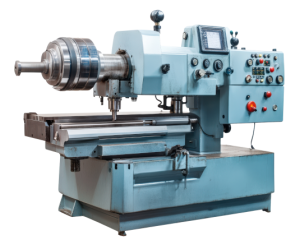 Successful machine rebuilding requires technical knowledge, careful planning, and attention to equipment specifications. A systematic approach helps ensure that restored machinery meets operational requirements and performs reliably after returning to service.
- Equipment Inspection and Assessment
The process begins with evaluating the machine’s current condition, operating history, and performance issues. Millwrights inspect critical components for wear, damage, misalignment, and other mechanical deficiencies.
Depending on the equipment, this assessment may include dimensional measurements, vibration analysis, bearing inspections, and checks of shafts, gears, drive systems, and mounting surfaces. These findings help establish the scope of work and identify components that require repair or replacement.
- Disassembly and Component Evaluation
After the initial assessment, the machine may be disassembled to provide access to internal components. Each part is examined to determine whether it can be reused, repaired, remachined, or replaced.
This stage is particularly important for identifying hidden damage that may not be visible during an external inspection. Thorough component evaluation helps prevent recurring problems and supports informed rebuilding decisions.
- Mechanical Repair and Component Restoration
Once the rebuilding requirements are established, technicians address the identified mechanical issues. Depending on the application, work may include replacing bearings, restoring worn surfaces, repairing shafts, servicing drive assemblies, and correcting damaged mounting interfaces.
Precision is essential throughout this stage. Component dimensions, fits, clearances, and tolerances must be evaluated against applicable equipment specifications to support proper operation and minimize premature wear.
- Reassembly and Machine Alignment
After the necessary repairs are completed, the equipment is carefully reassembled. Proper alignment of shafts, couplings, bearings, and other mechanical assemblies is critical to reducing vibration, controlling friction, and maintaining efficient power transmission.
Millwright expertise is especially valuable when machinery must be positioned accurately or integrated with existing production equipment. Proper installation and alignment can help prevent mechanical stress that might otherwise shorten component life.
- Testing and Operational Verification
Before rebuilt machinery returns to regular production, appropriate testing and verification should be performed. Depending on the machine and project requirements, this may include checking alignment, lubrication, operating temperatures, vibration levels, and functional performance.
Testing helps confirm that the rebuilding work has addressed the original concerns and that the equipment is ready for its intended operating conditions.
Benefits of Professional Machine Rebuilds in Rockford, IL
Industrial facilities must balance equipment reliability, maintenance costs, production schedules, and long-term capital investments. Professional machine rebuilding can help address these priorities in several ways.
Extend Equipment Service Life
Replacing worn components and correcting mechanical deficiencies can extend the useful life of existing industrial machinery. This allows businesses to continue using equipment that remains suitable for their production requirements rather than replacing it prematurely.
Reduce Capital Expenditures
Purchasing new industrial machinery can involve substantial equipment costs, installation expenses, operator training, and production changes. Rebuilding may provide a more economical alternative when the existing machine is structurally sound and compatible with current manufacturing needs.
The actual savings depend on the machine’s condition, parts availability, rebuilding requirements, and the cost of replacement equipment.
Minimize Unplanned Downtime
Unexpected equipment failures can disrupt production schedules, delay orders, and increase labor costs. Addressing mechanical problems through a planned rebuilding project can reduce the risk of recurring failures and help facilities schedule work around production requirements.
Improve Mechanical Reliability
Worn bearings, misaligned shafts, damaged gears, and deteriorated interfaces can compromise equipment performance. Rebuilding allows these issues to be identified and corrected, helping restore smoother mechanical operation and more consistent output.
Support Consistent Product Quality
Machinery that operates outside its required tolerances can contribute to dimensional inaccuracies, inconsistent processing, and material waste. Restoring critical components and correcting alignment issues can help equipment maintain the precision needed for reliable manufacturing.
Industries That Benefit From Machine Rebuilding
Machine rebuilding can support a wide range of industrial applications where equipment reliability and mechanical precision are essential.
Industries that may benefit include:
- Manufacturing: Rebuilding production machinery, mechanical assemblies, and equipment used in repetitive manufacturing processes.
- Metalworking: Restoring machine tools and related equipment that depend on precise alignment and dimensional accuracy.
- Material handling: Servicing mechanical components in industrial handling systems and associated production equipment.
- Automotive and industrial production: Supporting the reliability of machinery used in assembly, fabrication, and other manufacturing operations.
- Heavy industry: Addressing mechanical wear in equipment exposed to demanding operating conditions and sustained workloads.
For businesses throughout Rockford, IL, and the surrounding industrial region, rebuilding can be an important part of an effective equipment maintenance and asset management strategy.
Machine Rebuilding vs. Equipment Replacement
Determining whether to rebuild or replace industrial machinery requires a careful evaluation of cost, condition, performance requirements, and future production needs.
Machine rebuilding may be appropriate when the equipment’s primary structure remains sound, replacement parts are available, and the machine can meet current production requirements after restoration. Replacement may be more practical when the equipment is obsolete, severely damaged, inefficient, or unable to satisfy updated safety and production standards.
A comprehensive evaluation should consider the total cost of rebuilding, expected remaining service life, downtime during the project, availability of replacement components, and potential benefits of newer technology.
By reviewing these factors before committing to a major investment, industrial facilities can make informed decisions that support both immediate operational needs and long-term productivity.
Why Choose Midwest Millwright Services Inc.?
Reliable industrial machinery requires more than replacing damaged parts. It takes an understanding of mechanical systems, equipment installation, alignment, and the operating conditions that influence long-term performance.
At Midwest Millwright Services Inc., our millwright-focused approach emphasizes equipment efficiency, reliability, and reduced production interruptions. We understand that machinery problems can affect the entire manufacturing process, making careful assessment and effective mechanical solutions essential.
Whether an industrial facility is addressing recurring equipment issues or planning a major restoration project, professional millwright support can help identify practical solutions for maintaining machinery and improving operational dependability.
When evaluating machine rebuilds in Rockford, IL, businesses should look for a service provider that understands industrial equipment requirements, follows appropriate technical specifications, and recognizes the importance of minimizing disruption to production.
Invest in Long-Term Equipment Reliability
Industrial machinery is a significant investment, and maintaining its performance is essential to controlling operating costs and meeting production targets. Machine rebuilds offer an opportunity to restore worn equipment, correct mechanical problems, and extend the service life of valuable industrial assets.
For manufacturers seeking machine rebuilds in Rockford, IL, Midwest Millwright Services Inc. is focused on helping industrial operations maintain efficient, dependable machinery. By addressing equipment deterioration and prioritizing mechanical performance, businesses can reduce the risk of unexpected failures and support more consistent production.
Contact Midwest Millwright Services Inc. to discuss your industrial equipment needs and explore millwright solutions designed to help keep your machinery operating efficiently and your production goals on track.