
Moving heavy machinery requires careful planning, specialized equipment, and technical expertise to protect valuable assets and keep operations running efficiently. For manufacturers and industrial facilities, Rockford moving heavy machinery services support equipment installation, facility expansions, production line reconfigurations, and plant relocations. Working with experienced millwrights helps ensure that machinery is moved safely, positioned accurately, and prepared for reliable operation.
At Midwest Millwright Services Inc., we understand that the heart of your industrial operations lies in the efficiency of your machinery. As seasoned millwrights, we are dedicated to ensuring that your equipment operates at its peak performance, minimizing downtime, and maximizing productivity. Our focus on precision, planning, and equipment performance supports industrial operations that depend on reliable machinery and efficient production processes.
Understanding the Challenges of Moving Heavy Machinery in Rockford
Industrial machinery often weighs several tons and may contain sensitive components, complex drive systems, or precision-aligned assemblies. Moving this equipment involves more than transporting it from one location to another. Each project requires an understanding of the machine’s specifications, structural requirements, access limitations, and final installation conditions.
Businesses seeking professional heavy machinery moving in Rockford, IL, may need assistance with relocating equipment such as:
- CNC machines and precision manufacturing equipment
- Industrial presses and stamping machines
- Injection molding machines
- Conveyors and automated production systems
- Hydraulic and pneumatic equipment
- Packaging and processing machinery
- Large motors, pumps, and mechanical assemblies
The weight, dimensions, center of gravity, and operating requirements of each machine influence the relocation process. Without appropriate planning and material-handling procedures, machinery can sustain damage, floors can be overloaded, and workers can be exposed to unnecessary hazards.
Professional machinery moving services address these challenges through coordinated planning, proper lifting techniques, and systematic equipment handling.
Why Professional Heavy Machinery Moving Services Matter
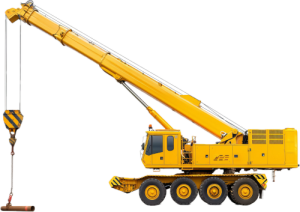 Industrial equipment is a significant capital investment. Improper handling during relocation can lead to costly repairs, extended production interruptions, and potential safety incidents. Hiring experienced professionals helps reduce these risks while supporting an efficient transition between locations.
- Improved Workplace Safety
Heavy machinery relocation involves substantial loads, restricted spaces, and potential pinch points. A structured safety plan helps identify hazards before lifting and moving activities begin.
Professional crews evaluate equipment weight, lifting points, rigging requirements, travel paths, and site conditions. Depending on the project, machinery may require cranes, forklifts, hydraulic gantries, machinery skates, or other specialized handling systems.
Proper load control and communication among crew members are essential throughout the operation. Lockout/tagout procedures should also be followed when applicable to isolate hazardous energy before equipment is disconnected or prepared for movement.
- Reduced Equipment Damage
Industrial machines often contain precision components that can be affected by shock, vibration, improper lifting, or uneven loading. Damage may not always be immediately visible, making careful handling especially important.
Experienced millwrights evaluate manufacturer recommendations, secure movable components, and identify appropriate lifting points before relocation. Sensitive parts may require additional protection, while certain machines may need partial disassembly to accommodate transportation or facility access restrictions.
These precautions help preserve equipment condition and reduce the likelihood of unexpected maintenance after installation.
- Minimized Production Downtime
Unplanned downtime can affect production schedules, labor utilization, delivery commitments, and overall operating costs. A poorly coordinated machinery move can extend an outage well beyond the original schedule.
Professional planning helps establish a realistic relocation timeline that accounts for disconnection, dismantling, transport, positioning, reassembly, and commissioning requirements.
By coordinating these activities with facility managers and maintenance teams, businesses can schedule equipment moves around production demands and prepare the receiving area in advance.
- More Accurate Equipment Placement
Positioning machinery correctly is critical to its performance. Equipment may need to meet specific requirements for floor loading, clearance, utility connections, anchoring, and alignment with adjacent production systems.
Millwrights help ensure that machinery is positioned according to installation requirements. Depending on the equipment, additional work may include leveling, precision alignment, anchoring, and coordination with electrical, hydraulic, or pneumatic service providers.
Accurate placement supports reliable operation and helps prevent premature wear associated with misalignment or improper installation.
The Heavy Machinery Moving Process
A successful industrial relocation follows a systematic process. Although project requirements vary, several core stages help ensure that equipment is handled safely and efficiently.
Step 1: Site Assessment and Project Planning
The first step is to evaluate the existing equipment, its current location, and the destination. This assessment identifies potential obstacles and determines the resources needed to complete the move.
Important considerations include:
- Equipment dimensions, total weight, and center of gravity
- Available doorways, aisles, loading areas, and overhead clearance
- Floor capacity and potential load restrictions
- Crane or forklift access
- Required rigging and lifting equipment
- Utility disconnection and reconnection requirements
- Production schedules and acceptable downtime windows
A detailed plan helps establish the sequence of operations, personnel responsibilities, and safety requirements before work begins.
Step 2: Equipment Preparation and Disconnection
Before moving machinery, the equipment must be prepared according to its design and operating requirements. This may involve removing accessories, securing moving parts, draining designated fluids, disconnecting utilities, or partially disassembling the machine.
Hazardous energy sources must be controlled through applicable lockout/tagout procedures. Electrical, hydraulic, pneumatic, and other connections should be handled by qualified personnel as required.
Documentation and photographs can also help record the original configuration, connection points, and component locations for reassembly.
Step 3: Rigging and Lifting
Rigging is one of the most technically demanding aspects of moving heavy industrial equipment. The lifting method must account for load weight, center of gravity, approved lifting points, equipment capacity, and site restrictions.
Depending on the machine and facility, the operation may use engineered lifting arrangements, rated slings, shackles, spreader beams, hydraulic lifting systems, or overhead cranes.
All lifting equipment must be suitable for the intended load and inspected as required. Loads should remain controlled throughout the lift, with personnel kept clear of suspended loads and other hazardous areas.
Step 4: Machinery Transport and Relocation
Once the equipment has been lifted or secured for movement, it can be transported along the planned route. The relocation team must account for floor conditions, turning radius, slope, clearance, and the stability of the load.
For complex moves, the route may need to be cleared or modified in advance. Temporary barriers and controlled access can help keep employees away from the moving equipment.
Careful coordination between operators and rigging personnel helps maintain load stability and prevents unnecessary impacts during movement.
Step 5: Positioning, Reassembly, and Alignment
After reaching the destination, machinery must be positioned according to the installation plan. Some equipment may require anchoring, leveling, precision alignment, or reassembly before it is ready for operation.
Alignment is particularly important for machines with rotating shafts, coupled motors, gearboxes, and other interconnected components. Incorrect alignment can increase vibration, bearing loads, and mechanical wear.
The installation team should verify that the equipment meets applicable manufacturer specifications and facility requirements before proceeding to operational checks.
Step 6: Inspection and Operational Verification
The final stage involves confirming that the equipment has been installed correctly and is ready for its intended use.
Depending on the machine, verification may include checking fasteners, guards, connections, lubrication, alignment, utility services, and safety devices. Qualified personnel should complete the necessary inspections and functional tests before the machine returns to production.
A structured handover helps maintenance teams identify completed work, outstanding items, and recommended follow-up inspections.
Key Factors to Consider When Hiring Machinery Movers in Rockford, IL
Choosing the right industrial machinery moving provider can influence project safety, cost, and scheduling. Businesses should evaluate more than transportation capability when selecting a contractor.
Experience With Industrial Equipment
Different machines require different handling techniques. A provider familiar with manufacturing equipment, heavy mechanical assemblies, and industrial installations is better positioned to recognize equipment-specific challenges.
Ask about experience with machinery similar to the equipment being relocated and whether the provider can coordinate the required rigging, disassembly, installation, and alignment activities.
Appropriate Equipment and Rigging Capabilities
The moving team should have access to suitable material-handling equipment and understand its limitations. Equipment selection must reflect the load, lift configuration, available clearance, and operating environment.
For complicated lifts, an engineered lifting plan may be necessary. The project team should also confirm that equipment inspections, operator qualifications, and applicable safety procedures are addressed.
Project Planning and Communication
Clear communication helps prevent delays and misunderstandings. Before work begins, the contractor and facility team should agree on the scope, schedule, responsibilities, access requirements, and procedures for addressing unexpected conditions.
A well-defined plan makes it easier to coordinate maintenance personnel, production managers, electricians, and other contractors involved in the relocation.
Installation and Millwright Support
Moving machinery is only part of the process. Many industrial projects also require equipment positioning, mechanical assembly, leveling, alignment, and preparation for startup.
Working with a qualified millwright service provider can help coordinate these activities and reduce the risk of gaps between transportation and installation.
Safety Practices and Risk Management
Ask potential contractors how they assess lifting hazards, verify load capacities, protect employees, and manage restricted work areas. Confirm that their procedures address applicable occupational safety requirements and the specific conditions of your facility.
Insurance, relevant qualifications, documented procedures, and project-specific risk assessments should also be considered during contractor selection.
Common Applications for Heavy Machinery Relocation
Industrial machinery moving services support a wide range of operational needs throughout Rockford and the surrounding manufacturing region.
Manufacturing facility expansions: Businesses adding production capacity may need existing machines repositioned to create space for new equipment or expanded workflows.
Plant relocations: Moving an entire facility or production department requires coordinated planning for machinery disconnection, removal, transport, and installation at the new site.
Production line reconfiguration: Manufacturers may relocate conveyors, presses, automated systems, and supporting equipment to improve material flow or adapt to changing production requirements.
Equipment replacement and upgrades: Installing replacement machinery often involves removing existing equipment and preparing the area for the new system.
Maintenance and equipment rebuilding: Some projects require machinery to be moved to provide access for repairs, component replacement, refurbishment, or major rebuilding work.
In each application, the relocation plan should account for both the physical move and the technical requirements for returning equipment to service.
How Professional Machinery Moving Supports Long-Term Equipment Performance
The quality of an industrial machinery relocation can affect equipment reliability long after the move is complete. Improper positioning, inadequate anchoring, and incorrect alignment may contribute to vibration, premature component wear, and recurring maintenance issues.
A technically sound relocation process helps protect the equipment while creating the conditions needed for reliable operation. Pre-move inspections can document existing issues, while post-installation checks can identify problems that need attention before production resumes.
Businesses can further support equipment performance by updating maintenance records, verifying alignment where applicable, and monitoring vibration, temperature, and operating conditions after startup.
At Midwest Millwright Services Inc., our commitment to machinery performance reflects the importance of precision throughout the equipment lifecycle. By emphasizing careful handling, technical planning, and proper installation practices, industrial facilities can better protect their machinery investments and support consistent production.
Why Choose Midwest Millwright Services Inc. for Industrial Machinery Moving?
Industrial operations depend on machinery that performs reliably and efficiently. Moving that equipment requires an understanding of mechanical systems, site conditions, and the importance of minimizing disruption.
Midwest Millwright Services Inc. recognizes that equipment efficiency is central to industrial productivity. Our approach focuses on helping businesses address machinery-related challenges with an emphasis on precision, operational reliability, and reduced downtime.
When planning a machinery relocation in Rockford, Illinois, businesses should look for a service provider that understands the relationship between equipment handling, installation quality, and long-term machine performance.
From evaluating relocation requirements to coordinating positioning and installation activities, the right millwright support can help make an equipment move more manageable and predictable.
Before beginning a project, discuss the equipment involved, the destination, site access limitations, the required schedule, and any installation or alignment work needed after relocation. These details help establish a clear scope and identify the technical resources necessary for the job.
Plan Your Heavy Machinery Move in Rockford, IL
Relocating industrial equipment is a complex undertaking that requires more than lifting and transportation. Proper planning, qualified personnel, appropriate rigging systems, and accurate installation all contribute to a safer and more efficient outcome.
For businesses searching for Rockford moving heavy machinery services, selecting an experienced industrial machinery and millwright provider is an important step toward protecting valuable equipment and controlling production downtime.
Midwest Millwright Services Inc. understands that machinery performance is fundamental to operational success. By prioritizing equipment integrity, careful planning, and precision, industrial businesses can approach relocation projects with greater confidence.
Contact Midwest Millwright Services Inc. to discuss your industrial machinery moving requirements, evaluate your project needs, and plan the next steps toward an efficient equipment relocation.
