
In industrial environments, equipment reliability, structural integrity, and operational efficiency are essential for maintaining productivity. From manufacturing facilities to heavy industrial operations, properly fabricated metal components and dependable welding services help keep machinery running safely and efficiently. Businesses looking for welding and fabrication in Rockford need experienced professionals who understand the demands of industrial equipment, precision metalwork, and equipment maintenance.
Midwest Millwright Services Inc. understands that the heart of industrial operations lies in the efficiency of machinery. As seasoned millwrights, the company is dedicated to helping industrial facilities maintain peak equipment performance, minimize downtime, and maximize productivity. By supporting industrial maintenance and equipment-related needs, Midwest Millwright Services Inc. helps businesses address mechanical challenges and maintain dependable operations.
The Importance of Industrial Welding and Fabrication
Welding and fabrication play an important role in the construction, maintenance, modification, and repair of industrial equipment. These processes involve joining, cutting, shaping, and assembling metal components to meet specific structural and operational requirements.
For manufacturing plants, processing facilities, and other industrial environments, quality metalwork can support equipment reliability and help prevent operational disruptions. Properly executed welding and fabrication work can also extend the service life of machinery components, reduce the need for premature replacements, and support long-term maintenance objectives.
When searching for welding and fabrication in Rockford, industrial businesses should consider providers who understand how metal components function within larger mechanical systems. This knowledge is particularly important when fabricating replacement parts, modifying equipment, or repairing components exposed to demanding operating conditions.
Common Welding and Fabrication Applications
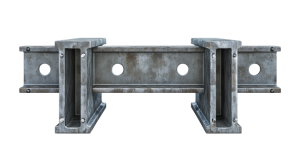 Industrial welding and fabrication can support a wide range of equipment and facility requirements. Depending on the project, these services may involve custom metal components, structural assemblies, equipment modifications, and repair work.
Custom Metal Fabrication
Custom metal fabrication involves producing components according to specific dimensions, designs, and performance requirements. Industrial facilities may need custom brackets, supports, mounting plates, frames, guards, and other metal parts to accommodate existing machinery or specialized applications.
Accurate measurements, appropriate material selection, and careful fabrication are essential for ensuring that components fit correctly and perform as intended. Properly fabricated parts can help businesses address equipment limitations, accommodate modifications, and maintain efficient production processes.
Industrial Welding and Component Repair
Industrial equipment is often exposed to repetitive motion, vibration, heavy loads, friction, and other demanding operating conditions. Over time, these factors can contribute to cracks, damaged joints, and metal fatigue.
Welding may be used to repair certain metal components when the material, damage, and service conditions make the repair appropriate. Before proceeding, technicians should evaluate the affected area and determine whether welding is a suitable solution. Some components may require replacement or additional machining to restore their required dimensions and functionality.
For industrial operations, timely component repairs can help reduce unnecessary equipment replacement costs and limit disruptions to production schedules.
Equipment Modifications and Improvements
As production requirements change, industrial facilities may need to modify existing equipment to accommodate new processes, improve accessibility, or support updated operating requirements.
Fabrication and welding can contribute to these modifications by allowing metal components and assemblies to be adapted to specific applications. However, changes to load-bearing structures, rotating machinery, or safety-critical equipment should be evaluated to ensure that the modifications do not compromise equipment integrity or safe operation.
Working with professionals who understand industrial machinery helps businesses approach equipment modifications with greater attention to fit, function, and reliability.
How Welding and Fabrication Support Millwright Services
Welding and fabrication are closely connected to industrial millwright work. Millwrights install, align, maintain, troubleshoot, and repair machinery and mechanical systems. When equipment requires a custom bracket, a modified support, or a repaired metal component, welding and fabrication may help address the issue as part of a broader maintenance or repair project.
For example, machinery installation may require custom-fabricated supports or mounting components to accommodate site-specific conditions. Equipment repairs may involve restoring an appropriate metal connection, while machinery upgrades may require modifications to existing assemblies.
Coordinating metalwork with mechanical maintenance can help reduce delays associated with sourcing specialized components or coordinating multiple contractors. It also allows equipment-related issues to be evaluated in the context of the machinery’s overall operation.
At Midwest Millwright Services Inc., the focus is on maintaining equipment performance and helping industrial operations run efficiently. Integrating welding and fabrication capabilities with millwright expertise, where applicable, can support practical solutions for equipment maintenance, repair, and modification.
Key Factors to Consider When Choosing Welding and Fabrication in Rockford
Selecting a welding and fabrication provider involves more than comparing prices. Industrial projects often require technical knowledge, attention to detail, and an understanding of how fabricated or repaired components will perform under actual operating conditions.
Consider the following factors when evaluating service providers.
- Experience With Industrial Equipment
Industrial welding differs from general-purpose metalwork because components may be exposed to significant mechanical loads, temperature changes, vibration, and continuous operation. Experience with industrial machinery and maintenance requirements can help ensure that project decisions account for these conditions.
- Material Selection and Welding Procedures
Different metals require different welding approaches. Carbon steel, stainless steel, aluminum, and other alloys have distinct properties that influence weldability, strength, and performance.
Appropriate welding procedures, filler materials, joint preparation, and heat control are important for achieving suitable results. For critical applications, project specifications may also require qualified welding procedures, certified personnel, or documented inspection.
- Precision and Quality Control
Dimensional accuracy is especially important when fabricated components must fit existing machinery or align with other mechanical parts. Incorrect dimensions or poorly executed joints can create installation difficulties, uneven loading, vibration, or premature component failure.
Measurement, inspection, and verification against applicable drawings and specifications help support consistent fabrication quality.
- Safety and Industry Requirements
Industrial welding involves hazards such as heat, sparks, fumes, and potential fire risks. Projects must follow applicable workplace safety requirements, site procedures, and relevant industry standards.
Depending on the application, additional requirements may apply to structural welds, pressure-containing equipment, lifting components, or other safety-critical assemblies. Confirming these requirements before work begins helps reduce risks and avoid costly rework.
- Reliable Service and Project Coordination
Unexpected equipment failures can interrupt production and affect delivery schedules. A service provider who understands industrial maintenance priorities can help businesses evaluate repair options, coordinate work, and plan around operational constraints.
For companies seeking welding and fabrication in Rockford, working with a provider familiar with industrial equipment can be valuable when projects involve more than standalone metalwork.
Reducing Downtime Through Proactive Industrial Maintenance
Unplanned downtime can result in missed production targets, delayed orders, increased labor costs, and disruptions throughout a facility. Although welding and fabrication cannot prevent every equipment failure, these services can contribute to an effective maintenance strategy when used appropriately.
Routine inspections can help identify damaged supports, deteriorating connections, worn components, and other issues before they develop into more significant problems. When repairs or modifications are necessary, evaluating the root cause of the damage is just as important as correcting the visible defect.
For example, a cracked welded connection may indicate excessive vibration, misalignment, repeated overloading, or an underlying design issue. Repairing the crack without addressing the cause could allow the problem to return.
A coordinated maintenance approach considers the condition of the component, the demands placed on the equipment, and the likelihood of recurrence. By combining sound repair practices with appropriate mechanical inspections and maintenance planning, industrial businesses can make more informed decisions about equipment reliability.
Midwest Millwright Services Inc. is committed to helping industrial operations maintain efficient machinery, minimize downtime, and maximize productivity. Addressing equipment concerns promptly and evaluating practical maintenance solutions can help support these goals.
The Value of Customized Industrial Solutions
Every industrial facility has different equipment, production demands, and maintenance challenges. Standard components may not always meet the requirements of older machinery, specialized production lines, or equipment installed in confined spaces.
Custom fabrication can help address these situations by producing components designed for a particular application. Depending on the project, this may involve creating replacement parts, adapting existing assemblies, or fabricating supports and mounting hardware.
The best solution depends on several factors, including the equipment’s design, operating environment, material requirements, and expected service life. In some cases, repairing an existing component may be practical. In others, replacing it or redesigning the assembly may offer better long-term reliability.
An experienced industrial service provider can help evaluate these considerations and identify an appropriate path forward. The objective is not simply to complete a welding or fabrication task, but to support the performance and dependability of the equipment involved.
Why Choose Midwest Millwright Services Inc. for Industrial Equipment Needs?
Industrial operations depend on machinery that performs consistently under demanding conditions. When equipment requires maintenance, repair, installation, or modification, working with professionals who understand industrial systems can help businesses address problems efficiently.
Midwest Millwright Services Inc. focuses on the performance and reliability of industrial machinery. With a commitment to minimizing downtime and maximizing productivity, the company understands the importance of addressing equipment issues with practical, operations-focused solutions.
For businesses evaluating welding and fabrication in Rockford, it is important to consider how metalwork fits into broader equipment requirements. Fabrication and welding projects may involve custom components, equipment modifications, or repairs that need to work in conjunction with mechanical systems.
By prioritizing equipment efficiency and dependable service, Midwest Millwright Services Inc. helps industrial businesses focus on their core operations while addressing the maintenance challenges that can affect productivity.
When evaluating a project, businesses should discuss the scope of work, equipment requirements, applicable safety standards, material specifications, and scheduling needs to determine the most suitable solution.
Support Your Industrial Operations With Reliable Welding and Fabrication
Reliable welding and fabrication can play an important role in industrial maintenance, equipment modifications, and custom component production. When performed according to appropriate specifications and quality requirements, these services can help maintain structural integrity, support equipment performance, and reduce avoidable operational disruptions.
For businesses searching for welding and fabrication in Rockford, choosing a service provider who understands industrial equipment is an important step toward achieving dependable results.
Midwest Millwright Services Inc. is dedicated to helping industrial facilities keep their machinery operating at peak performance. By focusing on equipment reliability, maintenance needs, and productivity, the company supports the operational goals that matter most to industrial businesses.
Whether your facility is addressing an equipment issue, planning a machinery modification, or evaluating maintenance requirements, partnering with an experienced industrial service provider can help you make informed decisions and keep your operations moving forward.
Contact Midwest Millwright Services Inc. to discuss your industrial equipment needs and explore solutions that support reliable performance, reduced downtime, and long-term productivity.
